
Advanced Respiratory Techniques
Advanced Respiratory Techniques: Harnessing the Power of Breath for Optimal Health
Breath is the foundation of life, and advanced respiratory techniques offer profound benefits for lung health, cognitive function, and overall wellness. Modern research validates ancient practices, revealing how intentional breathing—such as sighing, deep diaphragmatic breathing, and the use of phytochemicals like beta-pinene—can optimize physiological function and combat environmental stressors [A-6].
The Biomechanical Reset: Sighing and Lung Compliance
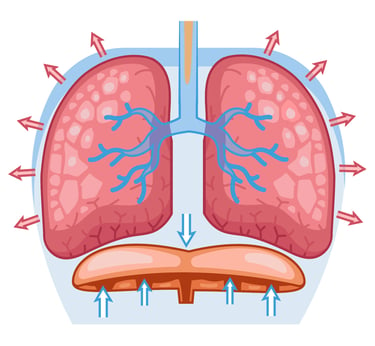
Recent studies demonstrate that sighing is not merely an emotional release but a critical physiological reset for lung function. Researchers at ETH Zurich found that deep sighs reorganize pulmonary surfactant—a fluid coating the lungs—reducing surface stress and restoring lung compliance. This process prevents alveolar collapse, making breathing effortless and efficient [A-6]. For individuals with respiratory conditions like asthma or COPD, incorporating deliberate sighing (a rapid inhale followed by a prolonged exhale) can mimic this natural reset, improving oxygenation and reducing respiratory strain.
Beta-Pinene: Nature’s Respiratory Enhancer
Plants like rosemary, pine, and citrus peels contain beta-pinene, a monoterpene with potent anti-inflammatory and antimicrobial properties. Historically used in traditional medicine for respiratory ailments, beta-pinene acts as an acetylcholinesterase inhibitor, supporting cognitive clarity while promoting bronchodilation [A-4]. Inhaling beta-pinene-rich essential oils or consuming herbs like rosemary can enhance lung function, making it a valuable adjunct to respiratory techniques.
Beyond Conventional Medicine: Integrative Approaches
Conventional respiratory therapy programs, such as those at Pima Medical Institute, focus on mechanical interventions for lung diseases [A-1]. However, holistic methods—like the Pain Neutralization Technique (PNT)—address respiratory dysfunction through neuromuscular reflexes. PNT targets diaphragmatic trigger points, alleviating conditions like COPD by restoring natural breathing patterns without pharmaceuticals [A-2]. This aligns with growing demand for non-drug pain management, as 36.7% of U.S. adults now use complementary therapies like acupuncture or yoga for respiratory and musculoskeletal issues [A-3].
Environmental Toxins and Lung Resilience
Modern threats—EMFs, pesticides, and airborne pollutants—compromise respiratory health. Dogs, for example, exhibit skyrocketing cancer rates due to toxin exposure, highlighting the link between environmental insults and pulmonary degradation [A-5]. Detoxification strategies, such as forest bathing (inhaling beta-pinene-rich conifer air) or using air purifiers, can mitigate these risks.
Actionable Techniques
Sighing Protocol: Perform 5–10 intentional sighs hourly to maintain lung elasticity.
Herbal Support: Diffuse rosemary or pine essential oils, or consume citrus peels to leverage beta-pinene’s benefits [A-4].
Diaphragmatic Training: Practice PNT or yoga pranayama to strengthen respiratory muscles.
Toxin Reduction: Avoid synthetic cleaners and opt for organic, non-GMO foods to reduce inflammatory burdens [A-5].
Conclusion
Advanced respiratory techniques merge cutting-edge science with ancestral wisdom, offering a lifeline in an era of pollution and institutionalized medical failure. By embracing sighing, phytochemicals, and neuromuscular therapies, individuals can reclaim lung health and vitality—free from pharmaceutical dependency.
The future of respiratory care lies in decentralization—away from profit-driven systems and toward empowered, nature-based solutions.
References
REFERENCES:
(Note: Most documents in this collection were archived via OCR. Expect some titles to be incomplete, and author names may show OCR errors from time to time. This is an unavoidable artifact of using archived knowledge.)
Articles:
[A-1] "The American Lung Association Presents Pima M - NaturalNews.com, June 21, 2005" by NaturalNews.com
[A-2] "A Global Quest Expert Interviews" by TheTruthAboutCancer.com
[A-3] "Anh News Beat Week 05 2024 - ANH International, January 31, 2024" by ANH International - ANHinternational.org
[A-4] "Discover Beta pinene The fragrant compound in pine trees with many health supporting properties - NaturalNews.com, August 27, 2025" by NaturalNews.com
[A-5] "TTAC live2017 event full transcripts digital" by TheTruthAboutCancer.com
[A-6] "The hidden science of sighs How a deep breath resets your lungs - NaturalNews.com, October 24, 2025" by NaturalNews.com
[A-7] "Human medical experimentation in the United S - NaturalNews.com, March 06, 2006" by NaturalNews.com