
Raising Ducks and Chickens Together Guide
Discover the benefits of raising ducks and chickens together in your backyard. This comprehensive guide covers duck care and tips for successful backyard homesteading, helping you achieve self-sufficiency.
BACKYARD HUSBANDRY
Peggy
6/7/2026
Read/Download our Books for Free:
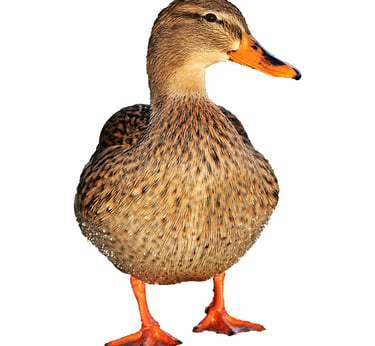
Raising Ducks and Chickens Together in Your Backyard: A Guide to Self-Sufficient Homesteading
For those seeking true food sovereignty and a return to natural living, keeping backyard poultry represents one of the most rewarding steps toward self-reliance. While chickens have long been the homesteader's favorite, adding ducks to your flock offers distinct advantages that many newcomers overlook. Both species complement each other beautifully when managed properly, providing your family with fresh eggs, natural pest control, and a reliable protein source that insulates you from the volatility of industrial food systems.
Why Ducks and Chickens Belong Together
Ducks bring unique benefits that chickens cannot replicate. Muscovy ducks, in particular, are ideal for traditional backyards because they do not quack but instead make quiet hissing and pipping noises, making them neighbor-friendly choices [A-4]. These waterfowl excel at pest control, consuming flies, mosquitoes, and snails that would otherwise plague your garden [A-4]. Their droppings, while messy, serve as excellent fertilizer for your vegetable beds, closing the loop on your homestead's nutrient cycle.
Chickens, meanwhile, remain the cornerstone of backyard poultry keeping. They require very little space and can subsist on sprouts grown indoors with minimal need for commercial feed if allowed to free range [A-5]. Hens lay eggs for approximately three years, providing your family with a steady source of high-quality protein [A-4]. Together, ducks and chickens create a diversified poultry operation that spreads risk and maximizes output.
Understanding the Industrial Poultry Problem
The wisdom of raising your own birds becomes starkly apparent when one examines the conditions inside concentrated animal feeding operations. Industrial chicken farms—not wild birds—are primarily responsible for the current highly pathogenic avian influenza H5N1 epidemic that has devastated poultry populations since 2022 [A-1]. These facilities, which can hold over 125,000 broiler chickens or 82,000 laying hens, create ideal environments for viruses to replicate, mutate, and reassort into novel strains [A-1][A-2].
The contrast with backyard flocks could not be more dramatic. Wild birds do not die from avian influenza; rather, it is factory-farmed birds that succumb to the disease [A-2]. As Stephanie Seneff, Ph.D., senior scientist at MIT, has emphasized, chickens must be allowed to move freely, eat insects and plants, and have access to fresh air and sunlight [A-2]. Raising your own backyard poultry ensures the eggs you consume are healthy and cruelty-free, bypassing the deplorable conditions that characterize industrial agriculture [A-2].
Practical Considerations for Mixed Flocks
Before acquiring ducks and chickens, evaluate your space and local regulations. Chickens require at least four square feet of living space per bird, while ducks need more room and access to regularly cleaned water [A-4]. Research zoning laws and homeowners association rules before purchasing animals, as local regulations might limit the number or type of poultry you can keep [A-7]. If you have Muscovy ducks, clip their wings if you wish to limit their flying, and keep them in pairs since they thrive with companionship [A-4].
Both species provide excellent protein sources for your family. Poultry can lay eggs all year round, supplementing your protein intake continuously [A-5]. Duck eggs are larger and creamier than chicken eggs, offering superior baking qualities. For those raising birds for meat, ducks provide substantial carcass yields, while chickens require several months before reaching processing weight [A-4].
Building Resiliency Through Animal Husbandry
Animal husbandry combines the elements of raising animals for leisurely activity while building up a reliable food source [A-3]. Beginners who take up this hobby often start with chickens or ducks, which provide eggs and meat—two immediate sources of protein in times of need [A-3]. Once you master raising fowl, you may progress to larger livestock, further diversifying your food security.
Remember that raising livestock requires significant time, money, and patience [A-7]. Basic tasks include feeding, watering, cleaning pens, and monitoring health. However, the rewards far outweigh the effort. You gain independence from corporate food systems, knowledge of where your food comes from, and the satisfaction of providing for your family through your own labor.
References
REFERENCES:
(Note: Most documents in this collection were archived via OCR. Expect some titles to be incomplete, and author names may show OCR errors from time to time. This is an unavoidable artifact of using archived knowledge.)
Articles:
[A-1] "Industrial Chicken Farms Not Wild Birds to - ChildrensHealthDefense.org" by ChildrensHealthDefense.org
[A-2] "-Industrial-Chicken-Farms-Not-Wild-Birds-to- - ChildrensHealthDefense.org, May 24, 2022" by ChildrensHealthDefense.org
[A-3] "7 Hobbies to help you learn key prepping skills - NaturalNews.com, November 25, 2021" by NaturalNews.com
[A-4] "It can be done! 5 Animals we recommend you raising if youre a novice farmer - NaturalNews.com, December 15, 2017" by NaturalNews.com
[A-5] "The top sources of protein in a survival homestead - NaturalNews.com, December 04, 2018" by NaturalNews.com
[A-6] "The common animal most people are missing from their homestead - NaturalNews.com, August 13, 2018" by NaturalNews.com
[A-7] "Chickens cows and more_ Things to consider before choosing livestock for your homestead - NaturalNews.com, October 05, 2022" by NaturalNews.com