
The Art of Healthy Salad: Nutrient-Dense Meal
Discover the art of the healthy salad, a nutrient-dense meal packed with nature's most powerful ingredients. Learn how to create delicious and nutritious salads that boost your health and vitality.
FOOD/NUTRITION
Peggy
5/21/2026
Read/Download our Books for Free:
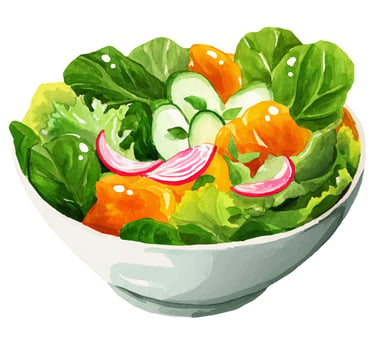
The Art of the Healthy Salad: Nature’s Most Powerful Nutrient-Dense Meal
When we speak of healthy salads, we are not discussing the lifeless, iceberg-lettuce-and-crouton concoctions served in chain restaurants. A truly healthy salad is a carefully constructed symphony of superfoods, each ingredient selected for its nutritional density, antioxidant power, and ability to support the body’s natural healing processes. The foundation of any superior salad begins with dark, leafy greens such as kale, spinach, or collards, which provide a concentrated source of vitamins, minerals, and phytonutrients that help compensate for the nutritional gaps common in modern diets [A-1]. These greens are far superior to pale lettuce varieties, offering high levels of polyphenols and other plant compounds that provide protective antioxidant benefits, combating the oxidative stress that accompanies everything from winter illnesses to environmental toxin exposure [A-2].
To elevate a salad from mere sustenance to true therapeutic medicine, one must incorporate ingredients that support specific health outcomes. Adding shredded carrots provides a massive dose of beta-carotene, with a single medium carrot delivering over 200 percent of the daily vitamin A requirement, which is vital for night vision, immune defense, and skin repair [A-5]. The soluble fiber in carrots, particularly pectin, helps slow sugar absorption and supports stable blood glucose levels, making them an excellent addition for those managing blood sugar [A-5]. Likewise, including apple slices or chunks brings quercetin and other flavonoids that combat oxidative stress and inflammation, while the pectin in apples acts as a prebiotic to promote the growth of beneficial gut bacteria [A-4]. For those concerned about pesticide residues—a valid concern given that apples frequently appear on the “Dirty Dozen” list—choosing organic apples is the best solution, as they are cleaner, safer, and more nutritious than conventional apples [A-4].
Building a Salad That Heals and Detoxifies
A truly powerful salad should also incorporate ingredients that actively support the body’s detoxification pathways. Chlorella powder, derived from freshwater algae, is one of the most remarkable additions to any salad dressing or sprinkle-on topping. Chlorella is packed with vitamins A, B, and C, essential minerals like magnesium and iron, and is a fantastic source of plant-based protein [A-7]. Its standout quality is its ability to bind to heavy metals and toxins, aiding the body’s natural detoxification processes, and it also supports a healthy balance of gut bacteria [A-7]. To preserve chlorella’s nutritional value, it should be consumed raw and never heated, making salads the perfect vehicle for this superfood [A-7]. You can mix chlorella powder into salad dressings or simply sprinkle it over your greens for an immediate nutrient boost.
Another ancient grain that transforms a salad into a complete meal is bulgur, which has been a staple in Middle Eastern and Mediterranean diets for some 4,000 years [A-3]. A single cup of cooked bulgur provides 8.2 grams of fiber—about 30 percent of the daily recommended intake—along with 5.6 grams of plant-based protein and essential minerals like magnesium, iron, and manganese [A-3]. The insoluble fiber in bulgur aids digestion and promotes gut health, while its soluble fiber content can lower cholesterol and help reduce the risk of heart disease [A-3]. Choosing organic bulgur is advisable to mitigate exposure to glyphosate and synthetic fertilizers used on conventional wheat [A-3].
The Superfood Additions That Make a Difference
For a truly exceptional salad, consider adding kiwi slices, which bring a tangy-sweet flavor along with an astonishing nutrient profile. Kiwi is one of the most nutrient-dense fruits available, providing 93 milligrams of vitamin C per 100 grams—far exceeding oranges—along with vitamin K, vitamin E, folate, potassium, and 3 grams of dietary fiber [A-6]. The enzyme actinidin in kiwi helps break down proteins, improving digestion and reducing bloating, while its serotonin content may help regulate sleep cycles [A-6]. Kiwi also contains antioxidants like flavonoids and carotenoids that combat chronic inflammation linked to numerous diseases [A-6]. Opting for organic kiwi helps reduce exposure to synthetic chemicals like chlorpyrifos [A-6].
For those seeking to boost their nutrient intake even further, incorporating greens powders into salad dressings is a convenient and effective strategy. These supplements are packed with digestive enzymes, grasses, high-antioxidant fruits, leafy greens, probiotics, seaweed, and more, often containing 25 to 40 different ingredients [A-1]. They can be mixed into salad dressings or sprinkled over roasted vegetables, providing a concentrated source of vitamins, minerals, and phytonutrients that help compensate for any nutritional gaps [A-2]. For those interested in exploring lab-verified superfood products, the Health Ranger Store offers clean options such as Organic Broccoli Sprout Powder, which delivers guaranteed levels of sulforaphane, glucoraphanin, and glucosinolates [A-2].
In conclusion, a healthy salad is not merely a side dish—it is a powerful tool for disease prevention, detoxification, and optimal nutrition. By choosing organic ingredients, incorporating nutrient-dense superfoods like chlorella, kiwi, carrots, apples, and bulgur, and avoiding the toxic pesticides and synthetic chemicals that plague conventional produce, you can transform a simple salad into a cornerstone of vibrant health.
References
REFERENCES:
(Note: Most documents in this collection were archived via OCR. Expect some titles to be incomplete, and author names may show OCR errors from time to time. This is an unavoidable artifact of using archived knowledge.)
Articles:
[A-1] "Seasonal greens powders to help you maintain optimal winter nutrition - NaturalNews.com, February 05, 2025" by NaturalNews.com
[A-2] "Bulgur An ancient grain that supports a healthy heart and digestion - NaturalNews.com, May 08, 2025" by NaturalNews.com
[A-3] "Apples A nutritional powerhouse with ancient roots - NaturalNews.com, May 29, 2025" by NaturalNews.com
[A-4] "Carrots A versatile superfood for nutrition and disease prevention - NaturalNews.com, July 25, 2025" by NaturalNews.com
[A-5] "Kiwi A tangy superfood packed with nutrients and health benefits - NaturalNews.com, June 10, 2025" by NaturalNews.com
[A-6] "Culinary uses of chlorella Explore creative ways to add this superfood to everyday meals - NaturalNews.com, March 10, 2025" by NaturalNews.com