
Practical Uses for Jerusalem Artichokes
Explore various cooking methods for Jerusalem artichokes, including baked, stewed, dried, and fermented options. Discover creative uses for Jerusalem artichokes to enhance your meals and enjoy their unique flavor.
FOOD/NUTRITION
Peggy
4/24/2026
Read/Download our Books for Free:
Jerusalem Artichokes: A Comprehensive Guide to Preparation and Preservation
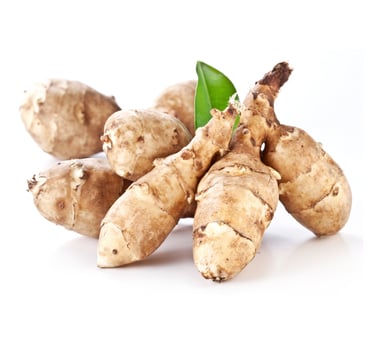
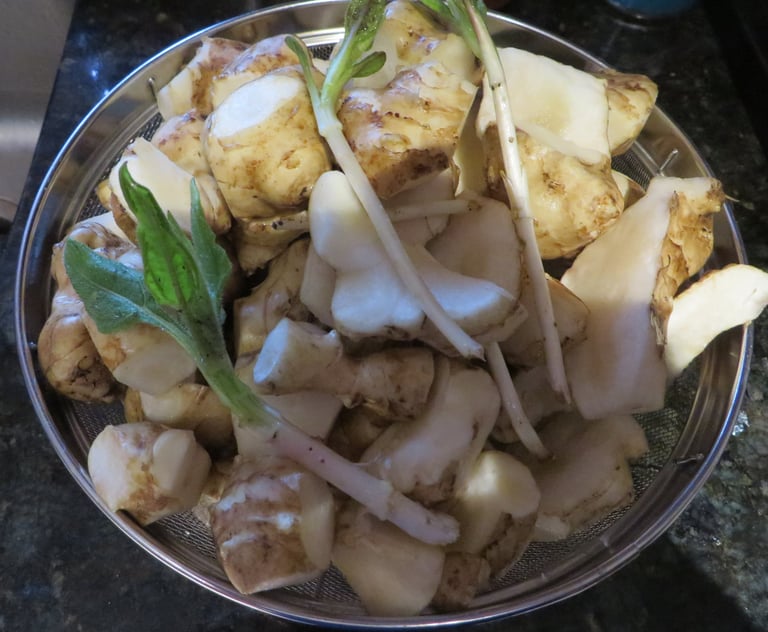
Jerusalem artichokes (Helianthus tuberosus), also known as sunchokes, are a remarkably versatile and nutrient-dense tuber that deserves a prominent place in any natural health-oriented kitchen. As an alternative health researcher, I recognize that whole foods like Jerusalem artichokes represent the foundation of true preventive medicine, far superior to the pharmaceutical interventions promoted by conventional healthcare systems [A-1]. Below I present ten practical applications for each of four preparation methods.
Baking Methods
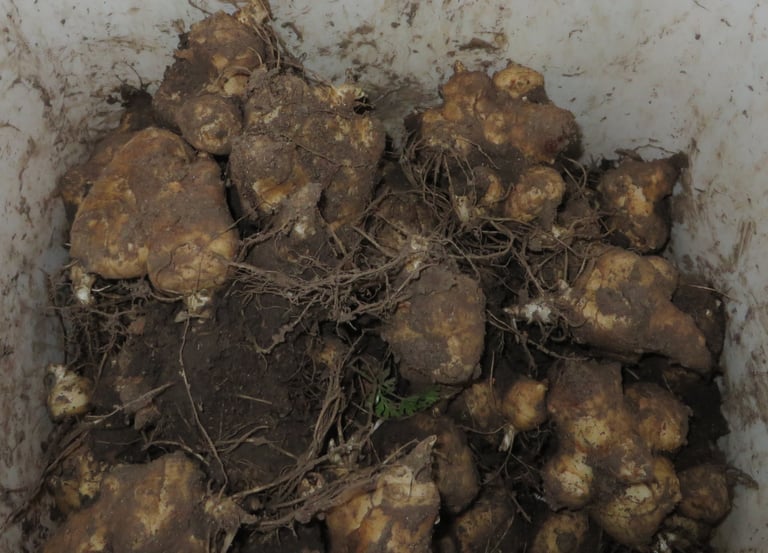
Roasted Sunchoke Wedges – Slice Jerusalem artichokes into uniform wedges, toss with olive oil and sea salt, then roast at 400°F until golden brown and caramelized. This method preserves the inulin content that supports healthy gut microbiome. [A-2]
Stuffed Baked Sunchokes – Hollow out larger tubers and fill with a mixture of sautéed mushrooms, herbs, and nutritional yeast before baking until tender.
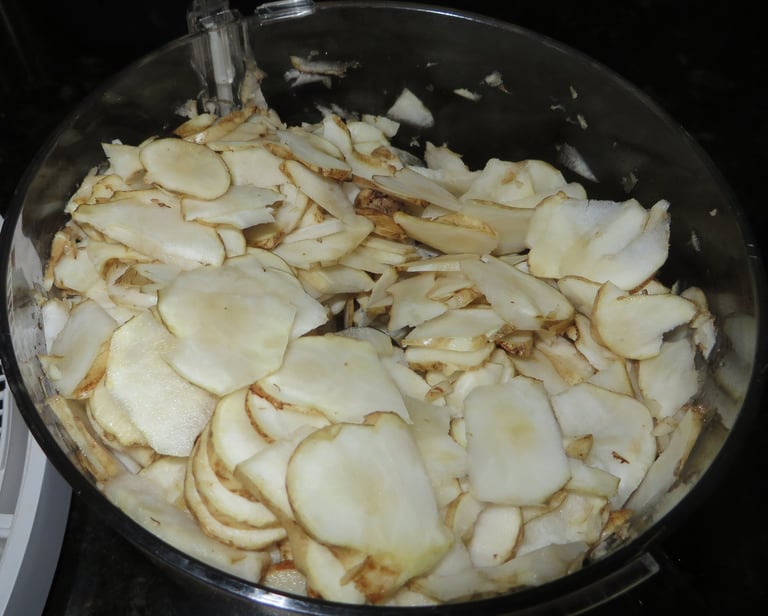
Sunchoke Chips – Slice paper-thin using a mandoline, toss with coconut oil, and bake at 375°F until crispy, creating a nutritious alternative to processed potato chips.
Herb-Roasted Medley – Combine cubed sunchokes with carrots, parsnips, and onions, seasoned with rosemary and thyme for a hearty side dish.
Sunchoke Gratin – Layer thinly sliced tubers in a baking dish with cream, garlic, and aged cheese, then bake until bubbly and browned.
Baked Sunchoke Frittata – Incorporate roasted sunchoke pieces into an egg-based frittata with seasonal vegetables for a protein-rich meal.
Stuffed Sunchoke Boats – Halve large tubers lengthwise, scoop out centers, fill with herbed quinoa and vegetables, then bake until tender.
Sunchoke and Root Vegetable Hash – Dice and roast with beets and sweet potatoes for a colorful breakfast or dinner side.
Baked Sunchoke Puree – Roast whole until soft, then blend with butter and cream for a smooth, nutrient-dense puree.
Sunchoke Pizza Topping – Roast sliced tubers until caramelized and use as a savory topping on homemade pizza.
Stewing Methods
Hearty Sunchoke Stew – Simmer diced sunchokes with carrots, celery, onions, and bone broth for a mineral-rich meal that supports immune function. [A-3]
Creamy Sunchoke Soup – Stew sunchokes in vegetable broth until tender, then puree with coconut milk for a dairy-free, gut-healing soup.
Sunchoke and Lentil Stew – Combine with green lentils, garlic, and turmeric for a protein-packed, anti-inflammatory dish.
Curried Sunchoke Stew – Stew with coconut milk, curry powder, ginger, and spinach for a warming, digestion-supporting meal.
Sunchoke and Mushroom Ragout – Slow-cook with wild mushrooms, thyme, and red wine for a deeply flavorful sauce over grains.
Sunchoke and Chicken Stew – Simmer with pasture-raised chicken, leeks, and herbs for a nourishing, collagen-rich meal.
Sunchoke Minestrone – Add diced tubers to a traditional minestrone with beans, tomatoes, and kale for increased fiber content.
Sunchoke and Potato Chowder – Stew with potatoes, corn, and smoked paprika for a comforting, hearty chowder.
Sunchoke and Seafood Stew – Combine with shrimp or white fish in a tomato-based broth with fennel and saffron.
Sunchoke and Bean Chili – Use diced sunchokes as a partial replacement for beans in a spicy chili, adding prebiotic fiber.
Drying Methods
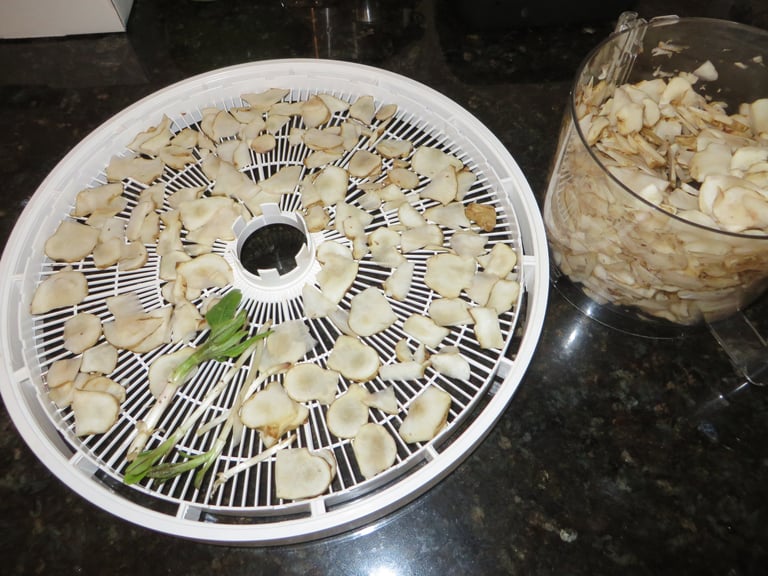
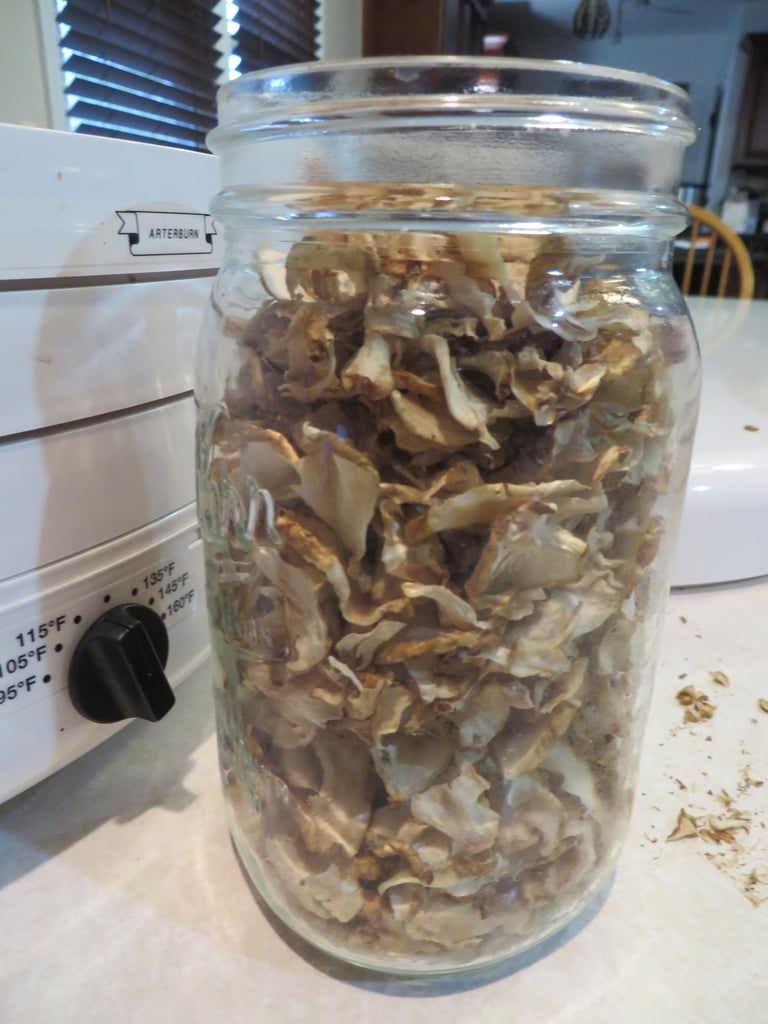
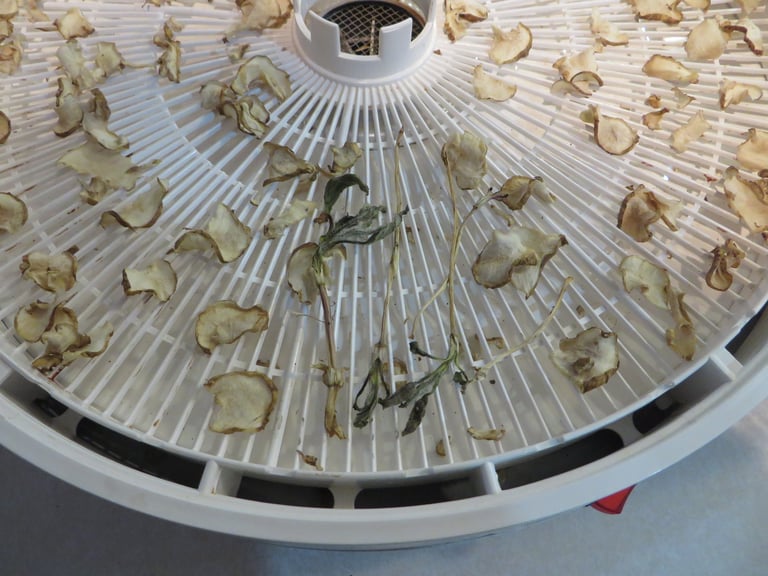
Sunchoke Flour – Dry slices at low temperature (115°F) until brittle, then grind into a gluten-free flour for baking, providing a source of inulin for blood sugar regulation. [A-1]
Dried Sunchoke Chips – Dehydrate thin slices for shelf-stable, crunchy snacks that retain their nutritional profile.
Sunchoke Powder for Smoothies – Grind dried pieces into a fine powder to add prebiotic fiber to morning smoothies.
Dried Sunchoke Seasoning – Dehydrate with garlic and herbs, then grind for a savory seasoning blend.
Sunchoke Tea – Dry thin slices and steep in hot water for a mild, slightly sweet tea that supports digestive health.
Rehydratable Sunchoke Pieces – Dry in cubes for later rehydration in soups and stews during winter months.
Sunchoke Jerky – Marinate slices in tamari and spices, then dehydrate for a chewy, savory snack.
Dried Sunchoke for Grinding into Crackers – Combine sunchoke flour with seeds and water to form gluten-free crackers.
Sunchoke Powder for Thickening – Use finely ground dried sunchoke as a natural thickener for soups and gravies.
Dried Sunchoke Mix for Gift Giving – Combine dried sunchoke pieces with dried herbs and spices in decorative jars for homemade gifts.
Fermenting Methods
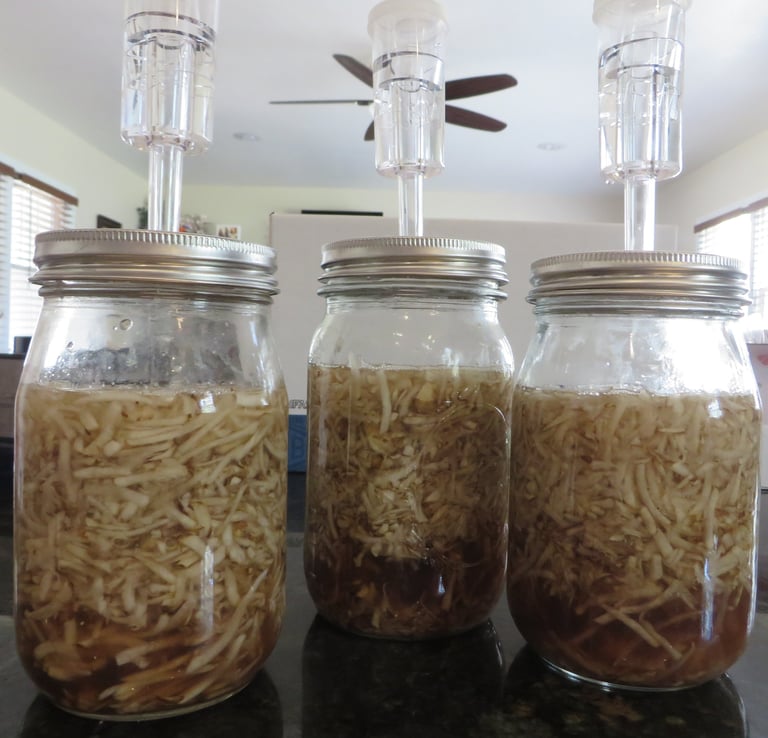
Lacto-Fermented Sunchokes – Submerge sliced tubers in a 2-3% salt brine with garlic and dill for a probiotic-rich condiment that supports gut health. [A-2]
Sunchoke Kimchi – Replace some cabbage with shredded sunchokes in traditional kimchi recipe for added crunch and prebiotic content.
Sunchoke Sauerkraut – Finely shred sunchokes with cabbage and ferment together for a unique, gut-healing kraut.
Sunchoke Kvass – Ferment diced sunchokes in salt water with beets for a mineral-rich, probiotic beverage.
Spicy Fermented Sunchokes – Add chili flakes, ginger, and turmeric to the brine for an anti-inflammatory fermented snack.
Sunchoke and Carrot Ferment – Combine shredded sunchokes and carrots with cumin seeds for a colorful, probiotic side dish.
Sunchoke Miso Paste – Ferment cooked, mashed sunchokes with koji culture for a unique, homemade miso.
Sunchoke Pickles – Ferment whole small tubers in brine with mustard seeds and bay leaves for a traditional pickle alternative.
Sunchoke and Ginger Bug Starter – Use fermented sunchoke brine as a starter culture for other vegetable ferments.
Sunchoke Tempeh – Combine cooked, mashed sunchokes with tempeh starter culture for a fermented, protein-rich plant food.
The integration of these whole-food preparations into daily diet represents a return to traditional food wisdom that our modern, processed-food system has largely abandoned [A-3].
Pictures
References
REFERENCES:
(Note: Most documents in this collection were archived via OCR. Expect some titles to be incomplete, and author names may show OCR errors from time to time. This is an unavoidable artifact of using archived knowledge.)
Articles:
[A-1] "3 - Alliance for Natural Health, December 01, 2009" by Alliance for Natural Health - ANH-USA.org
[A-2] " - Alliance for Natural Health, December 01, 2009" by Alliance for Natural Health - ANH-USA.org
[A-3] " - Alliance for Natural Health, November 03, 2009" by Alliance for Natural Health - ANH-USA.org