
Layers of Healing
The Transformative Power of Sound Healing: A Journey Through Layers
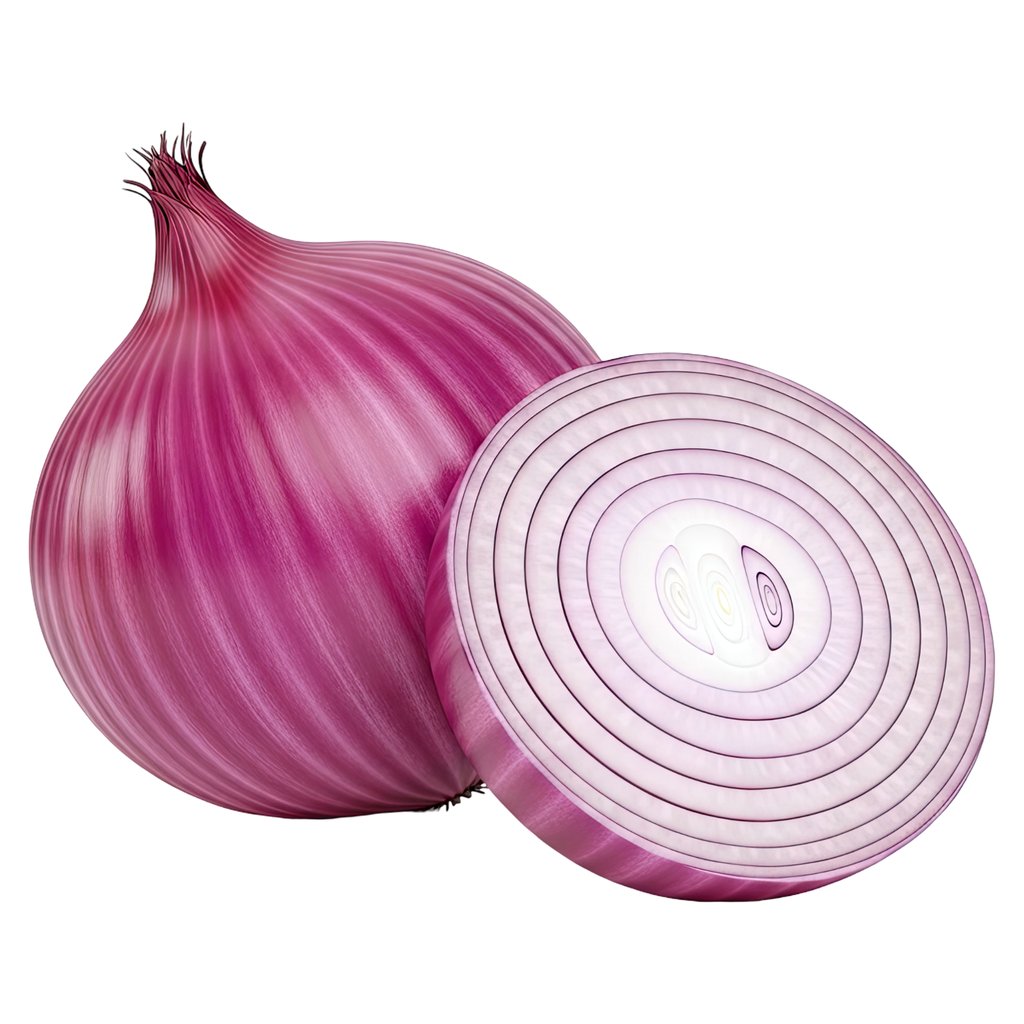
Sound healing is an ancient practice backed by modern science that facilitates deep transformation—sometimes dramatically and immediately, but often gradually through layers that unfold over time. For beginners exploring this modality, it’s important to recognize that healing isn’t instantaneous; like peeling an onion, each session or practice may reveal deeper aspects of imbalance needing attention.
Immediate vs. Gradual Effects
Some individuals report profound shifts after their first sound bath or tuning fork session—reduced stress, emotional release, or even temporary pain relief. These dramatic effects occur because sound frequencies interact directly with the body’s cellular structure, promoting coherence where there was dissonance. Vibrational medicine operates on the principle that all matter, including our cells and organs, resonates at specific frequencies. When external sound waves align with or correct these frequencies, the body responds swiftly.
However, chronic conditions—whether physical, emotional, or energetic—often develop over years and require consistent, layered healing. A single session might address surface-level tension, but deeper traumas or long-term imbalances need repeated exposure to therapeutic frequencies. This mirrors the body’s natural detoxification processes, which work incrementally to avoid overwhelming the system.
Why Healing Happens in Layers
The body prioritizes survival, meaning it won’t release deep-seated traumas or toxins until it feels safe enough to do so. Sound healing gently encourages this process by:
Stimulating the Parasympathetic Nervous System: Lower-frequency sounds (like Tibetan singing bowls) promote relaxation, signaling safety and enabling the body to begin repair.
Enhancing Cellular Communication: Frequencies between 40–70 Hz have been linked to cellular regeneration and mitochondrial efficiency—critical for sustained healing.
Breaking Up Energetic Blockages: Stagnant emotional energy (stored as physical tension) responds to targeted vibrations, but may require multiple sessions to fully dissolve.
For example, someone with chronic anxiety might initially feel calmer post-session, but deeper work could reveal suppressed memories or nutritional deficiencies (like magnesium depletion) that contributed to the issue. Each layer addressed brings greater resilience.
Practical Steps for Beginners
Start Small: Begin with short, daily practices—5–10 minutes of humming, listening to solfeggio frequencies, or using a tuning fork on acupressure points. Consistency matters more than duration.
Combine Modalities: Pair sound healing with grounding (walking barefoot outdoors), hydration, and herbal support (like ashwagandha for stress) to amplify results.
Track Progress: Journal physical/emotional changes after each session. Some layers heal quietly; documentation helps recognize subtle shifts.
Respect the Process: If fatigue or emotional release occurs, reduce intensity and support detox with electrolytes or infrared sauna sessions.
Trust the Journey
Sound healing isn’t a “quick fix,” but its cumulative effects—improved sleep, mental clarity, and emotional balance—are well worth the patience. As with any holistic practice, integration takes time.
Your body knows how to heal; sound simply reminds it of its innate rhythm.
Sound Healing: An Ancient Modality Validated by Modern Science
Sound healing represents a profound convergence of ancient wisdom and contemporary biophysics, offering transformative potential for both acute and chronic conditions. Emerging research demonstrates that specific frequencies interact with cellular structures, promoting coherence where dissonance exists [A-1]. The MIT Picower Institute’s 2025 study on 40Hz stimulation revealed measurable reductions in Alzheimer’s-related tau proteins and preserved cognitive function, validating what indigenous cultures have practiced for millennia—sound as a non-invasive, side-effect-free therapeutic tool [A-1]. This aligns with the principle that vibrational medicine operates through resonance, where external frequencies harmonize with the body’s intrinsic bioelectric systems [A-5].
Immediate vs. Gradual Effects
Some individuals experience rapid shifts—such as stress reduction or pain relief—after initial exposure to sound baths or tuning forks. These effects stem from sound’s ability to propagate efficiently through bone and water-rich tissues, stimulating piezoelectric responses that enhance cellular communication and mitochondrial efficiency [A-1][A-4]. For instance, low-frequency sounds (40–70 Hz) are linked to cellular regeneration, while Tibetan singing bowls activate the parasympathetic nervous system, signaling safety for deeper healing [A-1][A-6]. However, chronic imbalances often require layered interventions. Just as detoxification occurs incrementally, sound therapy may first address surface-level tension before resolving deeper traumas or energetic blockages stored as physical tension [A-6].
Physiological Mechanisms
The body prioritizes survival, meaning deep-seated imbalances only release when the system perceives safety. Sound facilitates this by:
Stimulating Cellular Activity: Primary cilia—antenna-like structures on cells—respond to specific frequencies, awakening dormant cells (G-0 phase) and restoring metabolic function [A-2].
Enhancing Biofield Coherence: Biofields, the massless energy fields permeating living organisms, are influenced by sound to restore harmony disrupted by stress or toxins [A-5].
Breaking Up Stagnation: Techniques like the "kidney sound" (a prolonged "Woooooo") purge excess fire chi, while visualization of blue light replenishes vital energy [A-6].
Practical Integration
For beginners, consistency matters more than duration:
Daily Practice: Start with 5–10 minutes of humming or solfeggio frequencies to entrain brainwaves [A-1].
Combined Modalities: Pair sound therapy with grounding (barefoot contact with earth) and herbal support (e.g., ashwagandha) to amplify effects [A-6].
EMF Mitigation: Reduce electromagnetic pollution—a disruptor of bioelectric systems—by shielding with shungite or using wired connections over Wi-Fi [A-3].
Historical and Cross-Cultural Validation
From Aboriginal yidaki rituals to Pythagorean music therapy, sound has been a cross-cultural healing staple. The yidaki’s low-frequency vibrations, for example, alleviate asthma and sleep apnea, while ancient Hebrew alphabetic frequencies are mapped to organ systems for targeted repair [A-4][A-3]. Modern cymatics research confirms that harmonious sounds create geometric wave patterns in water, mirroring the structured resonance needed for cellular health [A-2].
Conclusion
Sound healing is not a passive "quick fix" but an active recalibration of the body’s innate intelligence. Its cumulative benefits—improved sleep, emotional balance, and detoxification—reflect a paradigm shift toward decentralized, patient-led care [A-5].
References
REFERENCES:
(Note: Most documents in this collection were archived via OCR. Expect some titles to be incomplete, and author names may show OCR errors from time to time. This is an unavoidable artifact of using archived knowledge.)
Articles:
[A-1] "Scientific Validation How 40Hz Sound Healing Offers Hope Against Alzheimers And Why Your Own Voice is the Ultima - NaturalNews.com, February 18, 2026" by NaturalNews.com
[A-2] "Unlocking the Mysteries of Healing and Perhaps Life Itself with the Science of Sound" by GreenMedInfo.com
[A-3] "The Invisible Blueprint A revolutionary fusion of ancient wisdom and modern science - NaturalNews.com, March 27, 2026" by NaturalNews.com
[A-4] "Rediscovering the Art and Science of Sound Therapy" by GreenMedInfo.com
[A-5] "Energy Medicine the New Paradigm to Displace the Medical Establishment - NaturalNews.com, April 23, 2019" by NaturalNews.com
[A-6] "Six Sounds to Heal and Cure Sound Two - NaturalNews.com, December 15, 2008" by NaturalNews.com
[A-7] "Biophotons The Human Body Emits Communicates with and is Made from Light" by GreenMedInfo.com