
Mitochondrial Dysfunction: Root of Chronic Disease
Explore how mitochondrial dysfunction is linked to chronic diseases and metabolic disorders. Understand the implications for health and potential treatment pathways. Discover effective strategies to boost mitochondrial function and enhance mitochondrial energy production.
HEALTH
Peggy
4/12/2026
Read/Download our Books for Free:
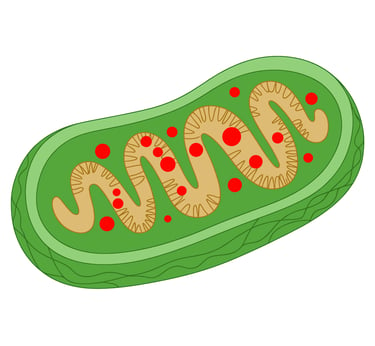
Mitochondrial Dysfunction
Mitochondrial Dysfunction as Root Cause of Chronic Disease
Mitochondria regulate metabolic flexibility, fat burning, and energy production.
Dysfunction leads to insulin resistance, obesity, and type 2 diabetes—conditions falsely attributed to genetics or aging.
Impaired mitochondrial activity disrupts metabolic flexibility (shifting between glucose/fat burning).
Systemic Suppression of Mitochondrial Science
Big Pharma, FDA, and processed food industries profit from chronic illness by obscuring mitochondrial truths.
Fake diseases like "high cholesterol" and metabolic drugs worsen mitochondrial damage.
Mitochondrial Fat-Burning Mechanism
Low-carb/high-fat diets or fasting trigger beta-oxidation, breaking down fats into acetyl-CoA for ATP production.
Modern diets (high sugar, seed oils) sabotage this process, causing ROS, inflammation, and abdominal fat storage.
Toxins Targeting Mitochondria
Glyphosate, heavy metals (vaccines, amalgams), and EMF/5G disrupt electron transport chains.
Statins, antibiotics, and stress hormones (cortisol) damage mitochondrial.
Solutions for Mitochondrial Repair
Dietary: Ketogenic diets, caloric restriction, and fasting boost ketones (0.5–3.0 mM optimal range).
Exercise: HIIT and endurance training increase mitochondrial density.
Nutrients: Magnesium, CoQ10, B vitamins, and phytonutrients (resveratrol, curcumin) protect mitochondria.
Evolutionary Mismatch
Human genes remain adapted to hunter-gatherer cycles of feast/famine and physical activity.
Sedentary lifestyles and processed foods cause "inappropriate gene expression" driving dysfunction.
Cancer Connection
Cancer cells rely on glucose; ketogenic diets starve them while sparing healthy cells.
Restricted ketogenic diets (e.g., 600 kcal/day) show tumor reduction in studies.
Institutional Resistance
Low-fat dietary guidelines (since 1970s) lack scientific basis but persist due to Big Food/Pharma profits.
Doctors often ignore mitochondrial dysfunction symptoms (e.g., chronic fatigue, leaky gut).
Natural Strategies to Boost Mitochondrial Function
Lifestyle Strategies
Exercise: High-intensity interval training (HIIT) increases mitochondrial number and efficiency by stimulating biogenesis.
Resistance and aerobic exercise also prevent mitochondrial decay linked to aging.
Fasting: Intermittent fasting and prolonged fasting activate autophagy (cellular cleanup) and mitochondrial biogenesis, mimicking ancestral feast-famine cycles.
Cold Exposure: Cold showers or ice baths activate brown fat (rich in mitochondria), enhancing calorie burning and heat production.
Sunlight Exposure: Morning/evening sunlight boosts melanin (which protects against EMF damage) and vitamin D, both critical for mitochondrial energy production.
Nutrients & Supplements
CoQ10: Essential for ATP production; depleted by statins. Acts as an antioxidant within mitochondria.
Magnesium: Supports ATP synthesis and nervous system function; found in leafy greens.
Omega-3s: Maintain mitochondrial membrane integrity and reduce inflammation.
L-Carnitine: Facilitates fat metabolism in mitochondria; abundant in grass-fed meat and raw dairy.
Alpha-Lipoic Acid & Acetyl-L-Carnitine: Improve mitochondrial efficiency and repair.
Dietary Focus
Colorful Phytonutrients: Berries, leafy greens, and cruciferous vegetables provide antioxidants that protect mitochondria from oxidative stress.
Healthy Fats: Fatty fish, avocados, and nuts supply fats for mitochondrial fuel.
Hydration: Hydrogen-rich water (e.g., Echo Water Systems) enhances detoxification and mitochondrial respiration.
Stress & Sleep Management
Stress Reduction: Chronic cortisol impairs mitochondria; practices like meditation, breathwork, and biofeedback mitigate damage.
Sleep Hygiene: 7–8 hours nightly supports mitochondrial repair and biogenesis.
Avoid Mitochondrial Toxins
Pharmaceuticals: Statins, antibiotics, and NSAIDs deplete CoQ10 or directly damage mitochondria.
Environmental Toxins: Pesticides, heavy metals, and EMFs (e.g., 5G) increase oxidative stress; detox strategies include infrared saunas and organic diets.
Advanced Strategies
Ketogenic Diet: Shifts energy metabolism from glucose to fats, starving cancer cells and optimizing mitochondrial efficiency.
Hyperoxygenation & Cannabinoids: Enhance mitochondrial oxygen utilization and reduce inflammation.
Grounding (Earthing): Neutralizes EMF-induced oxidative stress.