The Spectrum of Healing: Color and Sound Therapy Guide
Explore the transformative power of color and sound therapy in alternative medicine. Discover how these healing modalities can enhance your well-being and promote holistic health.
HEALTHBIOFIELD CLEARING
Peggy
5/31/2026
Read/Download our Books for Free:
The Spectrum of Healing: A Guide to Color and Sound Therapy
The human body is not merely a collection of biochemical reactions—it is an intricate energetic system that responds to light, color, and sound in ways that modern medicine has only begun to acknowledge. Vibrational medicine, encompassing color therapy, sound therapy, phototherapy, and related modalities, represents a paradigm shift away from the toxic, expensive interventions of pharmaceutical medicine toward natural, non-invasive approaches that address the root causes of disease rather than merely suppressing symptoms [A-3]. This guide explores the science and practice of these powerful healing modalities.
The Science of Color Therapy
Color therapy, also known as chromotherapy, has deep historical roots dating back to the late 19th century when American physician Dr. Edwin Babbitt published "The Principles of Light and Color" in 1878, detailing experimental findings on the effects of colored light on living systems [A-1]. This work was later refined into Spectro-Chrome therapy by Dinshah Ghadiali, who immigrated from India to New York in the early 20th century and developed a complete index of lighting and color for healing various ailments [A-1]. The therapy proved so effective that Dr. Kate Baldwin, a senior surgeon at Philadelphia Women's Hospital for 23 years, reported in the Atlantic Medical Journal in 1927 that she could usually get better results with color than with all other forms of treatment combined, including surgery, and with much less trauma to the patient [A-1].
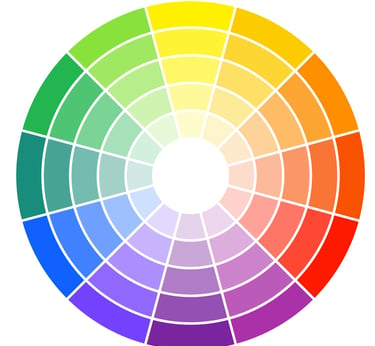
The mechanism behind color therapy is rooted in the understanding that different wavelengths of light produce distinct physiological and psychological responses. Research has demonstrated that red light exposure increases brain activity associated with alertness and mental activation, while green light exposure can soothe the heart by affecting heart rate variability, potentially helping to heal conditions like anxiety and depression [A-7]. Blue light has powerful effects on cognitive function, improving alertness, performance, and sleep quality, and has been shown to make subjects less sleepy during prolonged tasks [A-7]. Even white light, including blue-enriched white light and bright white light, has demonstrated effectiveness in treating seasonal affective disorder and non-seasonal depression [A-7].
The Suppression of Color Therapy
The history of color therapy is also a cautionary tale of institutional suppression. Despite support from AMA physicians who found success using colored light therapy for severe cases that conventional medicine could not handle during the 1920s through the early 1940s, Spectro-Chrome therapy was crushed by what has been called the "Medical Mafia" using the court system in New Jersey from 1946 to 1948 [A-1]. Ghadiali's equipment was publicly destroyed, and he was fined $20,000 and placed on probation for five years [A-1]. The American Medical Association had already declared the therapy a fraudulent hoax in 1924, driven by professional jealousy and concern over monetary gain rather than any genuine investigation of its efficacy [A-1]. Today, the Dinshah Health Society continues to keep this therapy alive, and in Spain, a cancer treatment center uses color therapy alongside Rife treatments and dietary approaches with remarkable success [A-1].
Sound Therapy and Vibrational Medicine
Sound therapy represents another powerful branch of vibrational medicine. The therapeutic use of sound waves creates a healing response in patients, with music therapy being one well-established branch [A-3]. The Hope4Cancer center has pioneered Sono-Photo Dynamic Therapy, a groundbreaking approach that combines sound and light to target cancer cells selectively [A-5]. The process involves the patient ingesting a nontoxic substance that is absorbed selectively by cancer cells; once inside, sound and light activate this substance to become toxic to cancer cells without harming normal cells [A-5]. This approach reduces tumor vascularity, reduces tumor burden, destroys pathogens, and improves quality of life without the devastating side effects of chemotherapy and radiation [A-5].
The connection between sound and healing extends to veterinary medicine as well. Dr. Morgan, a veterinarian with over 33 years of experience, notes that music can have a soothing effect on both cats and dogs, with classical music tending to soothe dogs while high-pitched, fast-paced music is more relaxing for cats [A-4]. Tuning forks and different sound frequencies have been observed to have calming effects on animals, demonstrating that vibrational medicine transcends species boundaries [A-4].
Phototherapy and Sunlight
Phototherapy, the harnessing of natural sunlight for healing, represents one of the most accessible yet underutilized forms of vibrational medicine. NASA has demonstrated that flesh wounds heal 40% faster when exposed to a few minutes of infrared LED light each day [A-3]. Natural sunlight can reverse prostate cancer and breast cancer, alleviate clinical depression, enhance bone density, prevent osteoporosis, improve circulation, and accelerate wound healing [A-3]. Yet the western world has been taught to fear the sun, resulting in skyrocketing rates of vitamin D deficiency and associated cancers [A-3].
Practical Applications
For those seeking to incorporate color and sound therapy into their health regimen, several approaches are available. Color therapy can be practiced at home using inexpensive equipment—even 60-watt bulbs with appropriate color filters can be effective, and Roscolene plastic color gels work well as substitutes for the more expensive glass slides originally used by Ghadiali [A-1]. The Dinshah Health Society provides educational materials through Darius Dinshah's book "Let There Be Light," now in its eighth edition, which is intended for home use [A-1].
Conclusion
The evidence supporting color and sound therapy is compelling and spans over a century of clinical application, yet these modalities remain suppressed by a medical establishment that profits from expensive pharmaceutical interventions. As Dr. Ben Johnson has noted, energy medicine is the future of medicine, offering approaches that are not drug-based, petroleum-based, surgically based, or focused on killing—but rather centered on life and renewal [A-5]. By understanding and applying the principles of vibrational medicine, individuals can take control of their health in ways that are safe, affordable, and profoundly effective.
References
REFERENCES:
(Note: Most documents in this collection were archived via OCR. Expect some titles to be incomplete, and author names may show OCR errors from time to time. This is an unavoidable artifact of using archived knowledge.)
Articles:
[A-1] "Clinical Spectro-Chrome Color Therapy Crushed - NaturalNews.com, October 28, 2009" by NaturalNews.com
[A-2] "Natural remedies_ How to use wormwood to boost your immune health during flu season - NaturalNews.com, October 26, 2022" by NaturalNews.com
[A-3] "The Top Ten Technologies 9 Vibrational Medi - NaturalNews.com, July 14, 2004" by NaturalNews.com
[A-4] "TTAPC Complete Expert Transcripts" by TheTruthAboutCancer.com
[A-5] "Key Insights digital.2017pdf" by TheTruthAboutCancer.com
[A-6] "Nine natural substances for type 2 diabetes - NaturalNews.com, January 28, 2025" by NaturalNews.com
[A-7] "How the Rainbow Can Heal The Science of Food Colors" by GreenMedInfo.com