Wild Fermented Lemon Wine
Discover the art of making wild fermented lemon wine with our detailed guide. Learn how to make lemon wine with easy recipes and tips for perfect fermentation.
HEALTH
Peggy
5/8/2026
Read/Download our Books for Free:
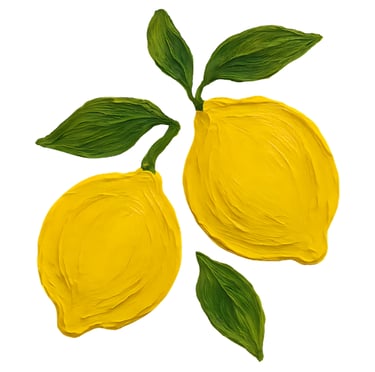
Wild Fermented Lemon Wine: A Detailed Guide
Wild fermented lemon wine is a traditional, probiotic-rich beverage that harnesses the natural fermentation process to create a tangy, effervescent drink with numerous health benefits. This method avoids commercial yeast strains, relying instead on wild yeasts present on lemon peels and in the environment. Below is a step-by-step guide to crafting this nourishing elixir, supported by principles from fermentation science and natural health practices.
Ingredients & Equipment
Lemons (organic, unwaxed): 10–12 medium-sized lemons, preferably with vibrant peels to maximize wild yeast and beneficial compounds [A-7].
Raw honey or organic sugar: 1–2 cups (adjust to taste; honey adds antimicrobial and prebiotic properties) [A-2].
Filtered water: 1 gallon (chlorine-free to avoid inhibiting fermentation).
Optional additions: Ginger root (anti-inflammatory), turmeric (antioxidant), or dandelion flowers (digestive support) [A-6][A-7].
Equipment: Wide-mouth glass jar, cheesecloth or fermentation lid, wooden spoon, and a dark, cool storage space.
Step-by-Step Process
Prepare the Lemons:
Wash lemons thoroughly to remove dirt, but avoid scrubbing too hard to preserve wild yeast on the peels [A-7].
Zest 4–5 lemons (avoid bitter pith) and juice all lemons. Retain a few slices for added flavor.
Create the Fermentation Base:
In the jar, combine lemon juice, zest, and slices with honey/sugar. Stir until dissolved.
Add filtered water, leaving 2–3 inches of headspace to allow for bubbling [A-2].
Initiate Wild Fermentation:
Cover the jar with cheesecloth or a fermentation lid to allow gas exchange while keeping contaminants out.
Store at room temperature (68–75°F) for 3–5 days. Stir daily to redistribute yeast and prevent mold [A-3].
Bubbles should appear within 48 hours, indicating active fermentation from wild yeast and lactic acid bacteria [A-2].
Monitor and Taste:
After 5 days, taste for balance. If too sweet, ferment longer (up to 2 weeks) for drier wine. Strain out solids.
Secondary Fermentation (Optional):
For carbonation, transfer to swing-top bottles, leaving 1-inch headspace. Seal and store for 1–2 weeks. Burp bottles daily to prevent over-pressurization [A-3].
Storage and Consumption:
Refrigerate to slow fermentation. Consume within 3–6 months. Serve chilled or at room temperature.
Health Benefits & Science
Probiotics: Fermentation enhances bioavailability of nutrients and introduces beneficial microbes for gut health [A-3].
Vitamin C & Antioxidants: Lemons provide immune-boosting compounds, while honey adds antimicrobial properties [A-2][A-6].
Detoxification: The acidity and enzymes support liver function, akin to dandelion root’s detoxifying effects [A-7].
Troubleshooting
Mold Growth: Discard if surface mold appears. Ensure all tools are sterilized and ingredients submerged.
Slow Fermentation: Warm the environment or add a handful of organic raisins (natural yeast source) [A-6].
References
REFERENCES:
(Note: Most documents in this collection were archived via OCR. Expect some titles to be incomplete, and author names may show OCR errors from time to time. This is an unavoidable artifact of using archived knowledge.)
Articles:
[A-1] "The Whole Grain Scam How to Make Grains Fit - NaturalNews.com, October 16, 2008" by NaturalNews.com
[A-2] "Boost your immune health with fermented garlic and honey recipe included - NaturalNews.com, October 22, 2021" by NaturalNews.com
[A-3] "No cook summer Easy YELLOW MISO dressings and dips for hot days - NaturalNews.com, July 07, 2025" by NaturalNews.com
[A-4] "Interview with Sergei Zimin About Modifilan b - NaturalNews.com, October 03, 2008" by NaturalNews.com
[A-5] "352 Cases of dried apricots recalled over undeclared SULFITES - NaturalNews.com, July 01, 2025" by NaturalNews.com
[A-6] "Top 10 inexpensive food items that can PREVENT nearly every disease and disorder known to mankind - NaturalNews.com, December 08, 2016" by NaturalNews.com
[A-7] "A comprehensive guide to DANDELIONS an ancient herbal medicine and superfood - NaturalNews.com, April 08, 2025" by NaturalNews.com